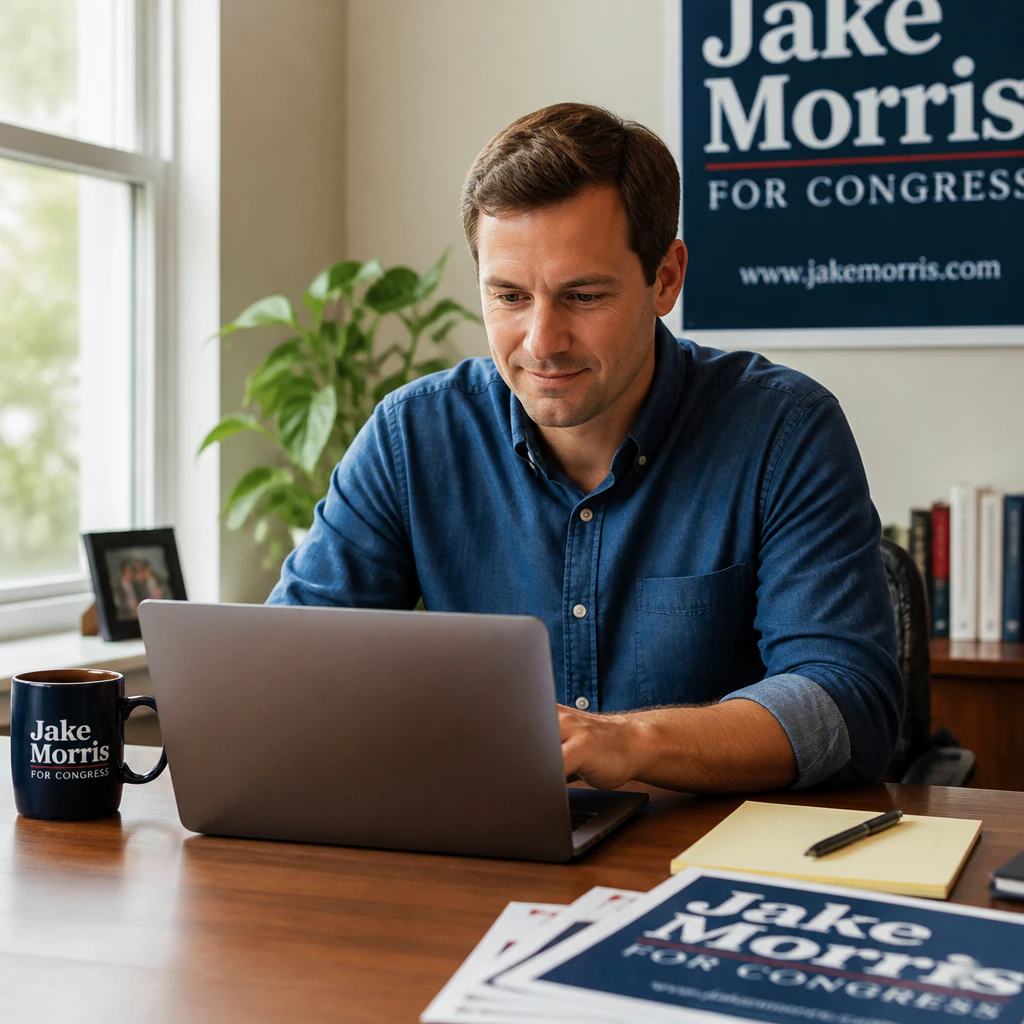
In 2020, more than 70% of Americans said social media had too much influence on politics. At the same time, nearly half admitted that platforms like Facebook, Twitter, TikTok, and LinkedIn played a role in how they learned about candidates.
That statistic tells us something important: social media can make or break a political campaign. And yet, many campaign managers and political teams still make costly mistakes when handling their online presence.
At Reach Voters, we work with campaigns of all sizes to build smart, effective political social media marketing. We’ve seen firsthand how a flawed approach can derail momentum, or how the right digital strategy can drive voter engagement and even win campaigns.
If you’re involved in a campaign’s social media strategy, here are 10 of the most common mistakes political social media managers make, and how to avoid them.
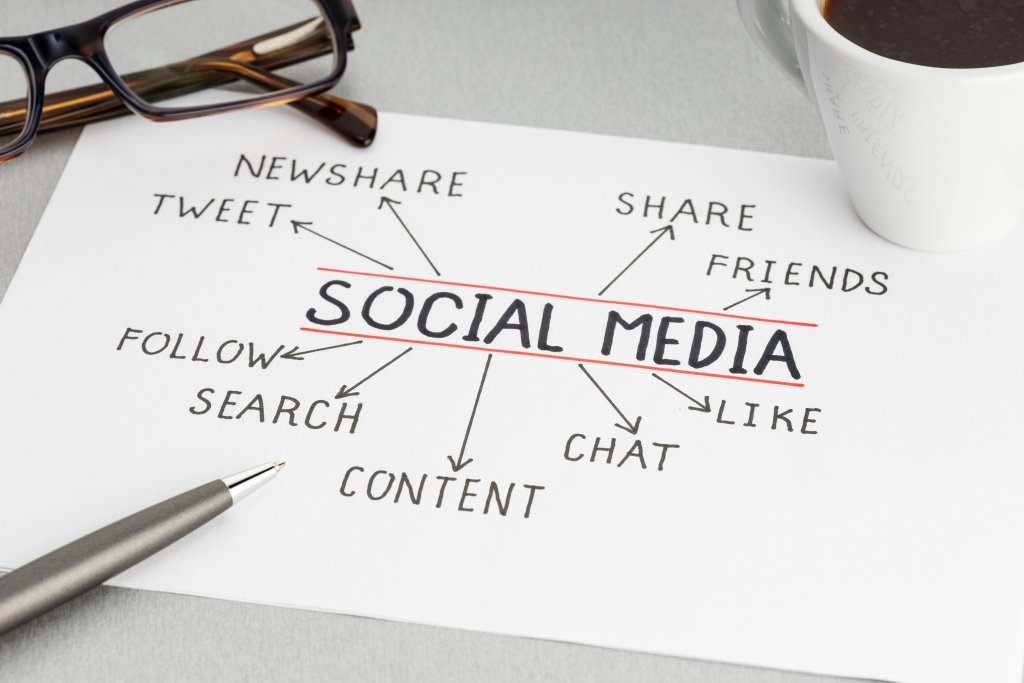 1. Failing To Define Clear Political Campaign Goals
Too often, campaigns simply start posting without a stated purpose. Are you attempting to create awareness, influence voters, raise funds, or mobilize supporters? Each will require a different approach, and without stated campaign objectives, content development becomes random.
A superior plan is to decide on the top three measurable objectives for the campaign’s social presence and formulate the plan there. After those objectives are determined, content can be created to fill, and results can be measured using tools such as Sprout Social. Not only does that make it consistent, but it also gives the campaign a way of deciding whether efforts are yielding dividends.
A social media manager who fails to connect posts to specific objectives jeopardizes making effective use of precious resources during a hectic campaign season, whereas one who establishes clear metrics puts the campaign in a position to be more impactful and sustainably successful.
2. Overlooking Platform Differences
Not every social media platform is created equal. That which comes naturally on LinkedIn feels stilted on TikTok, where short, fast-paced videos are king. When campaigns attempt the same strategy across all platforms, they risk sounding tone-deaf to constituents.
A successful political campaign leverages messaging via social channels. Think of the following example:
- Facebook: Longer community bulletins, event posts, fundraising requests.
- TikTok: Short, high-energy clips that reveal a candidate’s personality.
- Twitter/X: Real-time updates, response, and commentary.
- Instagram: Visual storytelling, behind the scenes, grassroots feel.
The take-home point: campaigns need not shift their message from one medium to another, but they do have to adjust tone, length, and graphics to communicate with each audience.
3. Overloading Followers With Negativity
While it is tempting to go after opponents, too much bad can sometimes turn voters off. Constant criticism makes a campaign look aggressive and drains energy from its message.
Voters are interested in what you’re for, not what you’re against. If every tweet is a shot, even die-hard supporters will begin to tune out or disengage.
A stronger online campaign presence unites criticism with positive messaging revealing true solutions. Personal stories, uplifting news from the campaign headquarters, and sidewalk moments of the field remind voters that the campaign is human, not politicized.
By adding optimism and vision to the message, campaigns project leadership and confidence, qualities that build confidence and sustain voter enthusiasm.
4. Not Engaging Supporters
Social media is not a billboard; it’s a conversation. Most managers remember that commenting on comments, answering questions, and thanking supporters is as important as posting content.
Engagement builds loyalty and keeps engaged potential voters. A campaign that ignores supporters risks alienating its most enthusiastic advocates.
Improvement tips for engagement:
- Assign specific campaign staff to monitor and reply daily.
- Use social listening tools to track mentions of the candidate.
- Express appreciation for campaign supporters publicly
When campaigns employ social media as a one-way broadcast, they miss the chance to establish actual relationships with voters. Live discussion demonstrates that a political candidate is interested in discussion and hears the people, and not just rehearsed replies. During a crowded election season, that level of involvement can be the margin that turns casual supporters into staunch backers.
5. Posting Without Fact-Checking
One false claim can destroy credibility for a whole candidate’s campaign. In today’s fast-paced world in the digital age, misinformation travels quickly and tends to reach thousands before it has the chance to be refuted. A small mistake can grow into an offending headline that distracts from the debate and detracts from the message of the campaign. In an environment where credibility is the most important factor, even slight mistakes have immense consequences.
To protect the credibility of the campaign:
- Always fact-check statistics, quotes, and claims before posting.
- Train campaign workers in media literacy.
- Utilize a speeded-up internal review process for social media posts.
A political brand that respects fact-checking is credible and has integrity. By making fact-checking an absolute necessity, campaigns signal to voters that they respect truth and are responsible. That dedication not only prevents embarrassing gaffes but builds long-term trust, something every successful political campaign counts on.
6. Ignoring Analytics
Others measure success in likes and retweets alone, but vanity metrics don’t tell the full story. Adding up reactions may look impressive on the surface, but it doesn’t count whether the campaign is meaningfully engaging with the right voters or inspiring action.
Effective political campaigns use analytics to make their social media effort more focused. Instead of targeting surface-level numbers, they track engagement metrics to gauge the depth to which audiences are engaging with the content.
They track social accounts and follower growth to gauge whether their reach is expanding. Perhaps most critically, they track conversion metrics such as donations, email sign-ups, and event RSVPs, because such actions reflect actual voter commitment.
When campaigns fail to analyze performance, they are passing up the opportunity to see what content is succeeding and what isn’t. Without that information, social media managers are essentially guessing, which can waste valuable time and money during a critical campaign period.
7. No Visual Strategy
Impressions are everything in politics, and on social media, they’re almost always visual. How a campaign looks online means as much as what it means. Most campaigns miss this, though, and settle for low-res pics, flaky branding, or generic stock shots. These choices may seem trivial, but they can drain the power from a campaign’s social media strategy and make it harder to stand out in a dense political field.
Rather, campaigns need continual visual consistency across social media. That includes:
- Consistent use of campaign logos, colors, and fonts.
- High-quality visuals and social promotions.
- Video that feels authentic but is still polished.
Working with a political digital marketing agency ensures access to design, video, and content creation expertise. Creating a solid visual strategy not only makes content more engaging but also serves the campaign’s political brand. By presenting a clean and recognizable look across all social media, campaigns project professionalism, enhance trust, and strengthen the emotional connection with potential voters.
8. Not Preparing For A Crisis
One ill-advised tweet at the wrong moment can become a national news story these days in political campaigns. Without a crisis communications plan, campaigns are quickly out of control, with the narrative dictating their actions and putting them into damage control mode rather than driving the conversation.
Every campaign requires a social media-specific crisis communications plan, as well as a ready availability of a spokesperson or strategist who can comment promptly and authoritatively. Pre-approved sensitive topic statements further ensure the campaign response is coherent, measured, and aligned with overall objectives.
Disorganized or slow-moving campaigns in a crisis can take a tiny error and turn it into an irreversible stumble. Advanced planning by a political candidate and staff allows them to move fast, contain the damage, and demonstrate the kind of leadership that comforts loyalists and recovers voter trust.
9. Overlooking Grassroots Content
Political social media managers are so caught up with hip ads that they overlook the power of grassroots voices.
Voters respond to authentic, personal messages, volunteer testimonials,spoken-word endorsements by regular folks, and inside information about the campaign headquarters.
Merging grassroots with approved campaign advertisements shows voters the human side of the campaign and creates content to connect on every platform.
 10. Treating Social Media As An Afterthought
Finally, most campaigns downplay the significance of social media within the overall strategy. It’s not just an add-on to TV advertising or mailers; it’s often the most frequent means by which voters interact with candidates.
Good social media management entails:
- Making it part of the media plan.
- Having seasoned strategists, not interns, operating the accounts.
- Putting voter data and online targeting on each posting.
If you want to have a victorious political campaign, you cannot afford to view social media as a secondary activity. Political social media management is more than posting automatically; it is about building trust, engaging voters, and fueling campaign success.
Avoiding these 10 mistakes can make the difference between an unsuccessful campaign online and a campaign that builds momentum on all social media channels.
At Reach Voters, we specialize in helping campaigns, whether they are small or full-therm national campaigns, develop the right social media services and solutions to reach more people. If your campaign needs help developing engaging content, managing multiple social media platforms, or developing effective political advertising, then we are here to help.
Because in today’s digital-first political world, campaigns don’t need just presence on social media; they need influence.